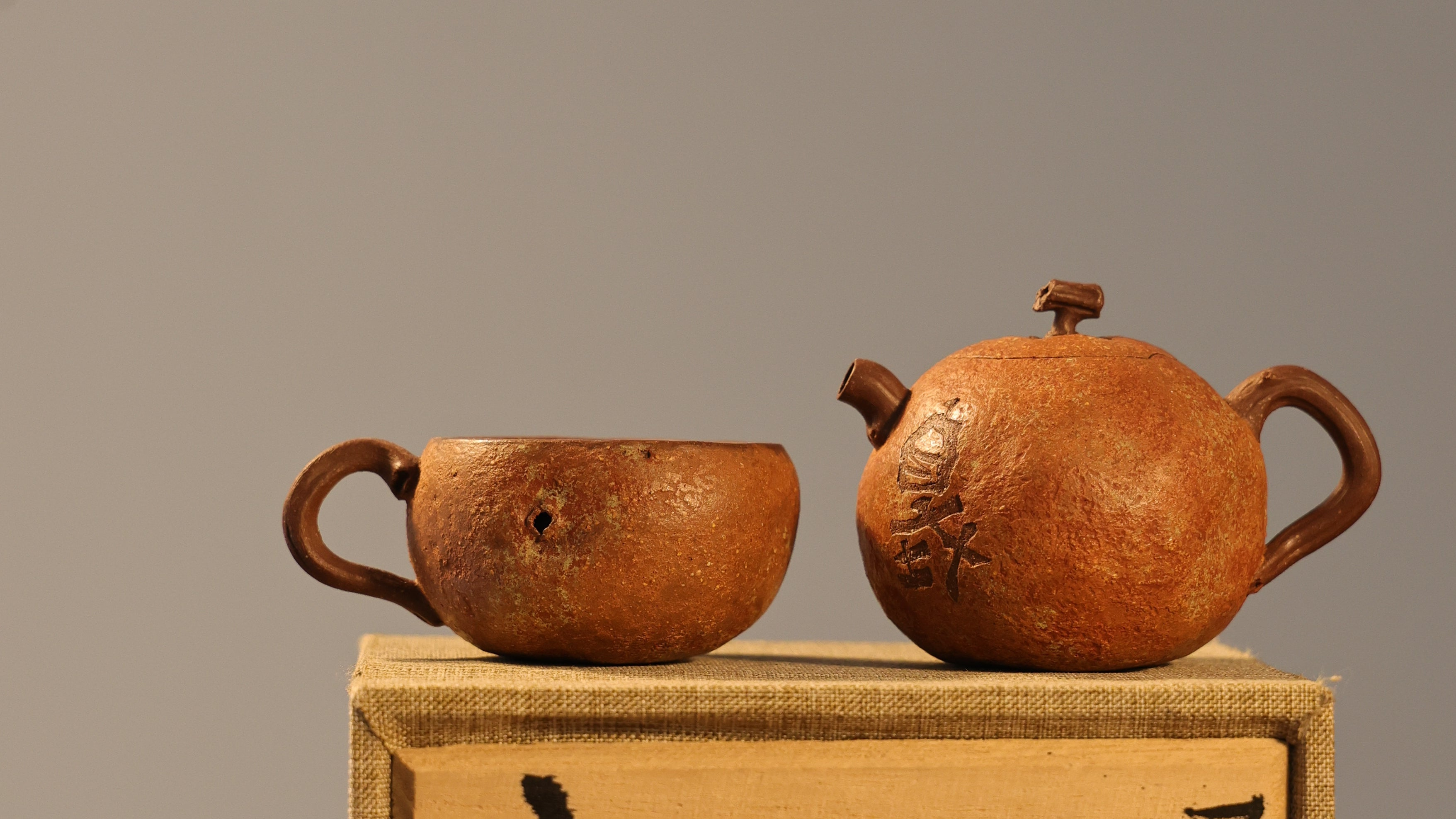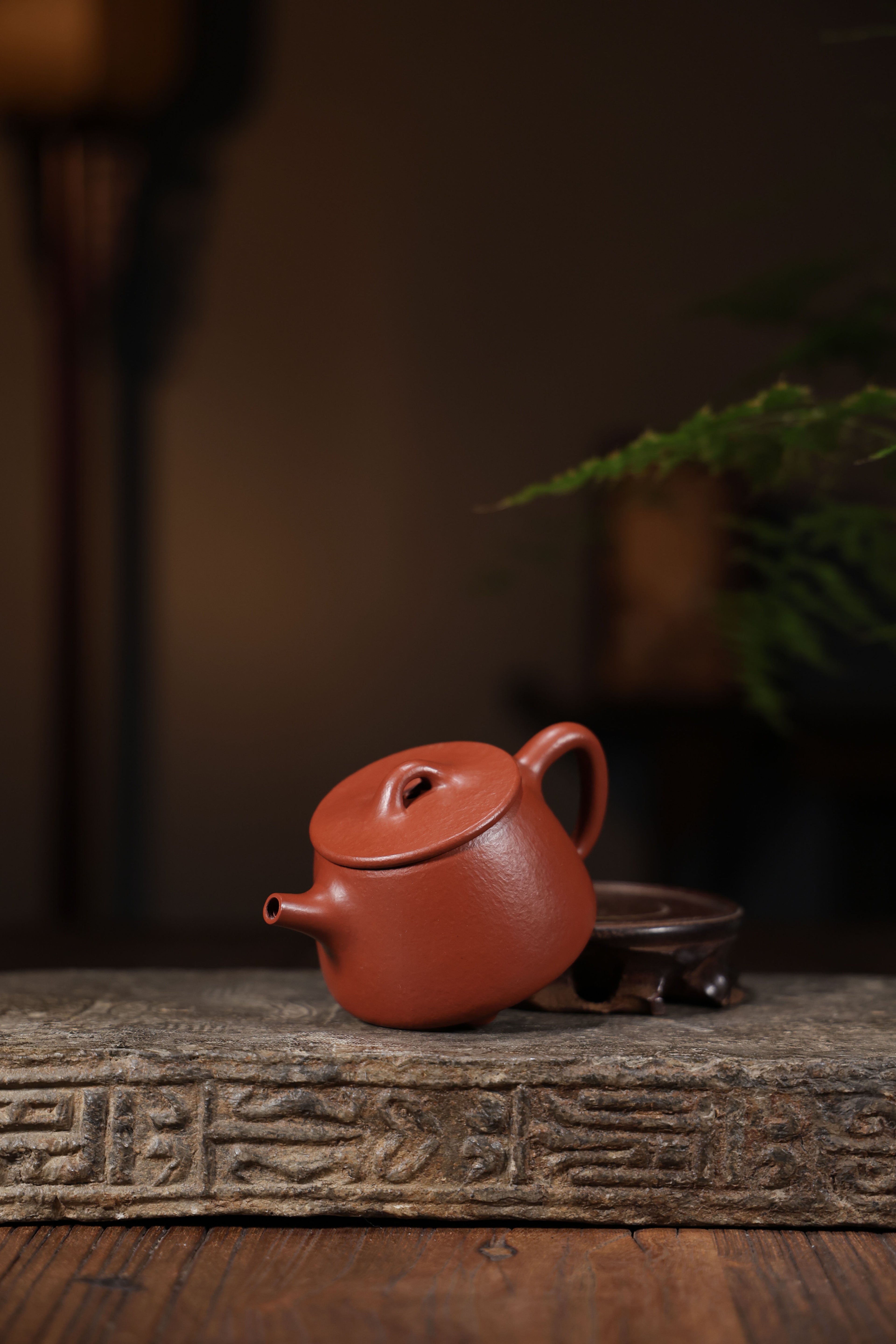
In the realm of timeless legacies,
During millennia, aficionados have been ensnared by the rare charm of Yixing Zisha carafes. Originating from the realm of Yixing in the region of Jiangsu, these containers are renowned for their prominent beauty, extraordinary clay, and built-in ability to elevate the palate of the concoction. The ground's distinctive burgundy hue, combined with the adept fabrication of indigenous craftsmen, creates pieces that are and functional artwork and precious investments. Obtaining a Zisha teapot is more than just such a purchase; it's seizing a rich ethnic heritage.
Unraveling Yixing Teapots: Evolution, Varieties, and Value
This Yixing teapots symbolize a vast heritage deeply intertwined with Chinese culture. Emerging in the Yixing region of Jiangsu province, these clay vessels possess a heritage dating back to the Ming Dynasty. Preceding examples were functional, but along centuries, Yixing teapot manufacturing evolved into an esteemed art form. The clay itself, known for its unique texture and ability to refine the flavor of the tea, persists a defining factor. Yixing teapots Yixing Zisha Teapot arrive in various styles, broadly categorized by shape: Typical such as Zhuni (purple clay) and Bisheng, as well as distinct designs. The price of a Yixing teapot centers on several factors, including the potter’s standing, the age of the piece, the rarity of the clay, and its aesthetic allure.- Heritage: Ming Dynasty
- Element: Diverse kinds
- Pricing Criteria: Rarity
Art of Zisha Pottery: Skill and Creators
Particular formation of a authentic Zisha teapot is a sophisticated process, requiring generations of mastery. Experienced artisans meticulously select the best Zisha clay, a unique earth found only in specific regions of China. Longstanding techniques, often inherited through families, involve detailed shaping, nuanced carving, and deliberate firing in ancient furnaces. The definitive teapot isn't merely a vessel; it's a testament to innovative vision and the deep connection between the creator and their lineage. Each object showcases the specific touch of the potter, resulting in a truly incomparable work of art.
Historical Artefacts: Uncovering the Profound Heritage of the Yixing Locality
Yixing, positioned in Jiangsu the expanse, is widely renowned for its exceptional earthenware – a tangible representation of centuries of Chinese creative legacy. These aren't merely vessels for preparing tea; they are intricate works of innovation, often reflecting traditional ideals. The unique purple clay, known as Zisha, possesses extraordinary qualities: the clay dense, porous, and imparts a subtle character to the tea.
- Various tribes have honed the techniques of Yixing pot making, passing down preserved methods through epochs.
- Followers prize these pieces for their beauty and uniqueness.
- A number of urn tells a story, connecting the user to a rich heritage.
Engaging in Yixing Zisha: Vital Indicators
Considering exploring acquiring Yixing Zisha pots, countless parameters expect careful review. In the first place, the clay’s hue is crucial; authentic Zisha generally exhibits a particular rust-colored tinge. What's more, investigate the skill; sharp elements and a silky covering signify proficient making. To finish, examine the artisan's standing; well-known names garner elevated premiums and often provide a better investment.
Zisha Pot Techniques for Tea Brewing
Steeping tasty tea with a Zisha pot is more greater than a simple process; it's an technique. Zisha clay, acclaimed for its unique geological composition, imparts a gentle character to the processed tea that’s often unavailable with other wares. The optimal water warmth is essential; typically, lower than what's used for black tea, to protect the tea's odor and note. Consider meticulously the tea variety; delicate green teas or aged pu-erhs advance from the Zisha’s ability to lessen their original edge. It’s necessary to warm the teapot earlier than brewing, and to shun over-steeping. Mastering this practice leads to a truly exceptional tea instance.
- Learning Zisha Clay
- Warming Level & Variety of Tea
- The Importance of Pre-warming
Enhancing Your Celebrated Vessel
To sustain the existence of your treasured Yixing container, consistent care is critically essential. Abstain from using detergent; instead, tenderly flush it with warm moisture. Steer clear of sharp heat; refrain put the ceramic pot directly onto a fiery stand. Periodically, mature the urn by infusing it with first-rate dark drink, as this assists to amplify its patina and shields the unique traits of the dirt.
About Dirt to Vessel: The Course of a Zisha Container
A creation of a Zisha teapot is a astonishing operation, a representation to both the globe's bounty and the mastery of the craftsperson. It originates with the exact extraction of the distinctive clay from the mauve Zisha mines not far from Yixing. This unfired material, known for its remarkable peculiarities, is then patiently washed and configured for the beginning forming. The vessel’s configuration is professionally fashioned using a union of heritage manipulating approaches, often incorporating detailed ornaments. Following hardening, the vessel undergoes a essential first firing, preceded by a varnishing stage, which might involve a series of layers of unprocessed Zisha slips. Finally, a second, and sometimes third, firing at intense temperatures perfects the artifact, revealing its perfected beauty and superlative characteristics - a veritable masterpiece, primed to grace a tea ceremony.
{Yixing Teapots: A Embodiment of Chinese Civilization and Respect
Esteemed Yixing teapots, originating from the prestigious Yixing region of Jiangsu province, are far more than mere earthenware for brewing potions; they represent a substantial aspect of Chinese identity. Manufactured from distinctive purple clay – zisha – these distinctive teapots are highly appreciated for their ability to amplify the flavor of the tea and, crucially, for their beauty. The annals of Yixing teapot making spans centuries, and the skill involved is relayed through generations, making each teapot a work of art that embodies time-honored techniques and a profound appreciation for the pure pleasures in life.