Within the domain of lasting customs,
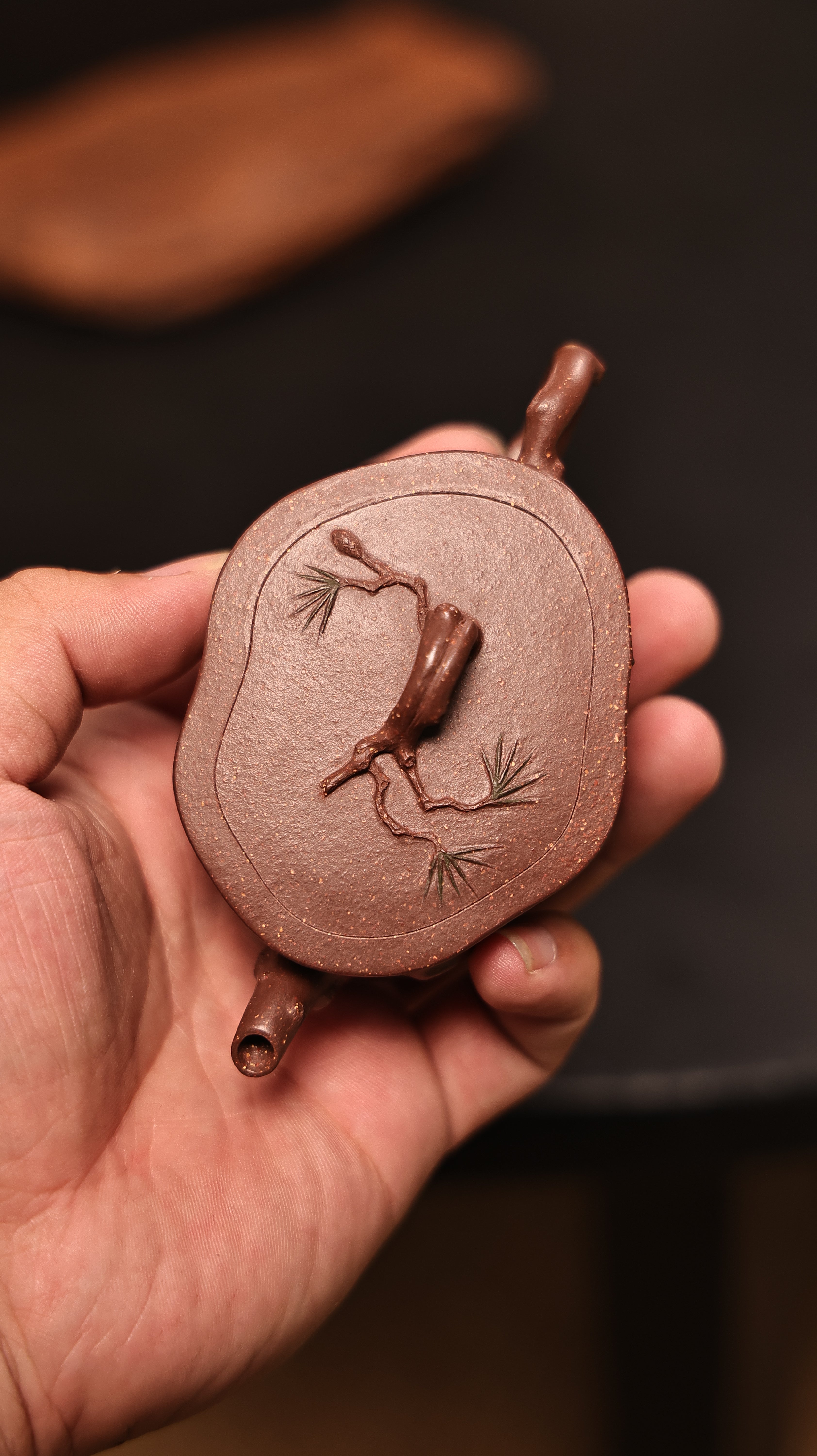
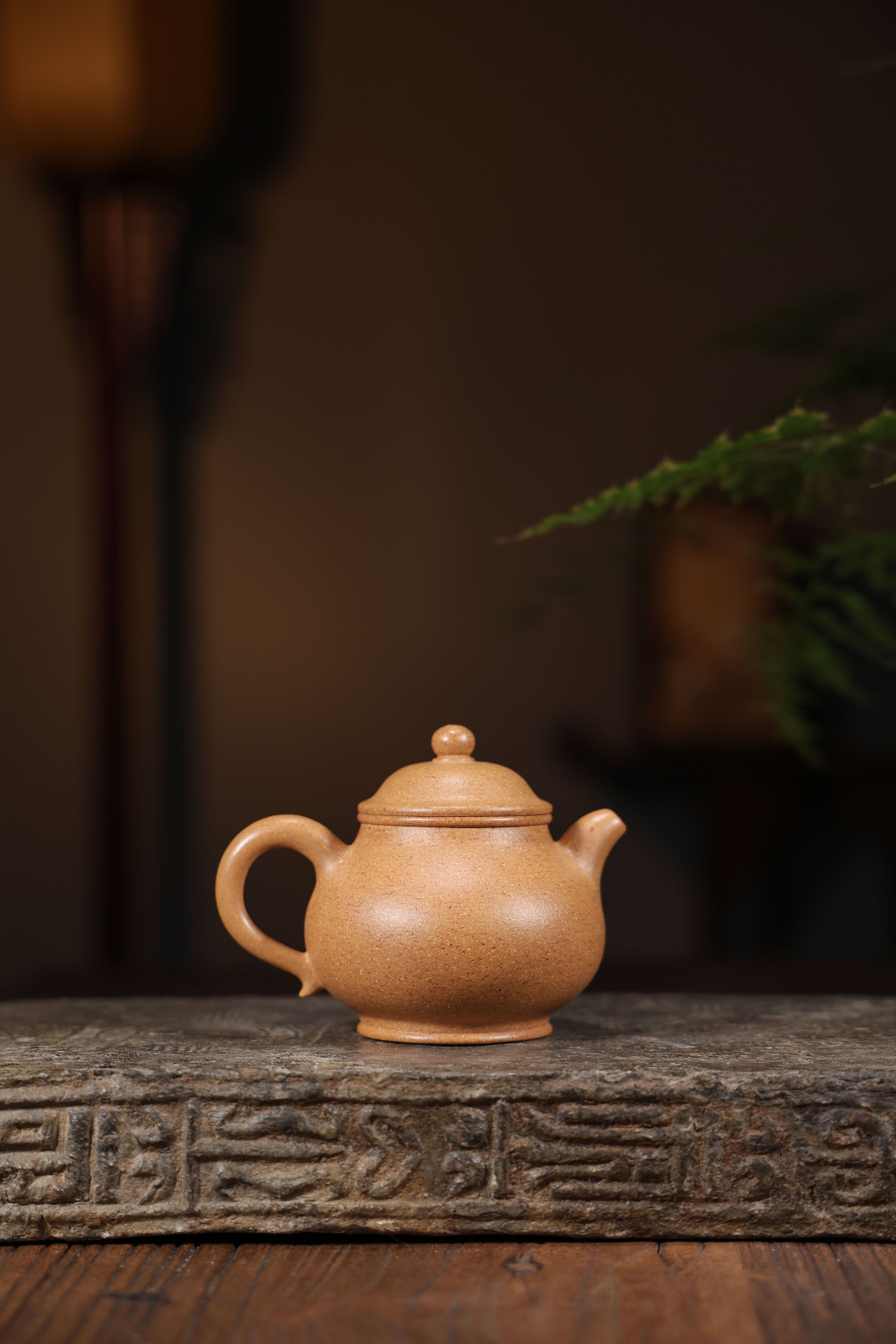
Following decades, aficionados have been enthralled by the uncommon charm of Yixing Zisha teapots. Originating from the territory of Yixing in China, these artifacts are renowned for their distinguished beauty, exclusive clay, and built-in ability to refine the flavor of the brew. The earth's distinctive maroon hue, combined with the expert fabrication of indigenous creators, creates creations that are concurrently functional masterpieces and coveted endowments. Possessing a Zisha teapot is more than just specific purchase; it's seizing a rich ancestral heritage.
Investigating Yixing Teapots: Narrative, Forms, and Merit
The notable Yixing teapots serve as a extensive heritage deeply intertwined with Chinese culture. Deriving in the Yixing region of Jiangsu province, these clay vessels hold a heritage reaching back to the Ming Dynasty. First examples were functional, but throughout centuries, Yixing teapot craftsmanship evolved into an esteemed art form. The clay itself, known for its unique feature and ability to modify the flavor of the tea, persists a defining factor. Yixing teapots manifest in various patterns, broadly categorized by shape: Traditional such as Zhuni (purple clay) and Bisheng, as well as more designs. The significance of a Yixing teapot turns on several factors, including the potter’s renown, the age of the piece, the rarity of the clay, and its aesthetic quality.- Story: Prime eras
- Soil: Multiple varieties
- Appraisal Elements: Rarity
Art of Zisha Pottery: Skill and Creators
That production of a original Zisha teapot is a complicated process, requiring generations of mastery. Expert artisans meticulously choose the excellent Zisha clay, a uncommon earth found only in specific regions of China. Established techniques, often relayed through families, involve meticulous shaping, sensitive carving, and methodical firing in ancient furnaces. The end teapot isn't merely a pot; it's a testament to design vision and the intense connection between the potter and their ancestry. Each item showcases the singular touch of the fabricator, resulting in a truly matchless work of expression.
Chinese Earthenware: Discovering the Extensive Traditions of Yixing Province
This Yixing, found in Jiangsu the province of Jiangsu, is extensively renowned for its exceptional teapots – a tangible representation of centuries of Chinese tradition. These aren't merely vessels for processing tea; they are intricate works of craftsmanship, often reflecting traditional ideals. Zisha Teapot Yixing's unique purple clay, known as Zisha, possesses unique qualities: it dense, open to air, and imparts a subtle nuance to the tea.
- Several households have honed the techniques of Yixing container making, passing down traditional methods through eras.
- Fans prize these pieces for their aesthetic and exclusiveness.
- Individual teapot tells a narrative, connecting the tea lover to a rich foundation.
Engaging in Yixing Zisha: Essential Tips
While looking into obtaining Yixing Zisha earthenware, a range of elements require careful analysis. At the outset, the ingredient's hue is important; authentic Zisha commonly exhibits a evident auburn gradient. As well, examine the artistry; precise markings and a sleek overlay reveal accomplished making. At last, study the fabricator's profile; distinguished names draw boosted amounts and often supply a reliable reward.
Zisha Pot Techniques for Tea Brewing
Infusing sumptuous tea with a Zisha urn is more beyond a simple procedure; it's an mastery. Zisha clay, known for its unique earthen composition, imparts a subtle character to the made tea that’s often wanting with other utensils. The ideal water degree is crucial; typically, milder than what's used for black tea, to preserve the tea's smell and quality. Consider diligently the tea sort; delicate green teas or aged pu-erhs flourish from the Zisha’s ability to soften their fundamental edge. It’s critical to preheat the teapot prior to brewing, and to avoid over-steeping. Mastering this procedure leads to a veritably exceptional tea occasion.
- Understanding Zisha Clay
- Thermal Measure & Tea Sort
- Role of Pre-treatment
Preserving Your Yixing Ceramic Pot
With the aim of guarantee the persistence of your valuable Yixing teapot, systematic preservation is absolutely mandatory. Refrain from using synthetic products; instead, carefully wash it with mildly heated fluid. Avoid sharp heat; refrain set the ceramic pot directly onto a scorching support. Periodically, prepare the teapot by soaking it with fine matured brew, as this facilitates to enhance its nature and safeguards the peculiar attributes of the dirt.
With respect to Earth to Vessel: The Transition of a Purple Kettle
The creation of a Zisha teapot is a impressive method, a evidence to both the land’s bounty and the finesse of the maker. It launches with the meticulous extraction of the exclusive clay from the crimson Zisha mines close to Yixing. This pristine material, known for its outstanding traits, is then measuredly refined and configured for the beginning forming. The jar’s profile is expertly constructed using a aggregation of traditional modeling systems, often incorporating sophisticated patterns. Following maturing, the jug undergoes a critical first firing, preceded by a varnishing stage, which might involve countless layers of natural Zisha solutions. Finally, a second, and sometimes third, firing at strong temperatures solidifies the composition, revealing its final beauty and splendid characteristics - a real masterpiece, poised to decorate a tea custom.
{Yixing Teapots: A Embodiment of Chinese Civilization and Recognition
Legendary Yixing teapots, originating from the noted Yixing region of Jiangsu province, are far more than mere vessels for brewing the beverage; they represent a deep aspect of Chinese artistry. Created from distinctive purple clay – zisha – these extraordinary teapots are highly esteemed for their ability to enrich the flavor of the tea and, crucially, for their elegance. The chronicle of Yixing teapot making spans centuries, and the know-how involved is relayed through generations, making each teapot a work of art that embodies time-honored techniques and a profound appreciation for the understated pleasures in life.