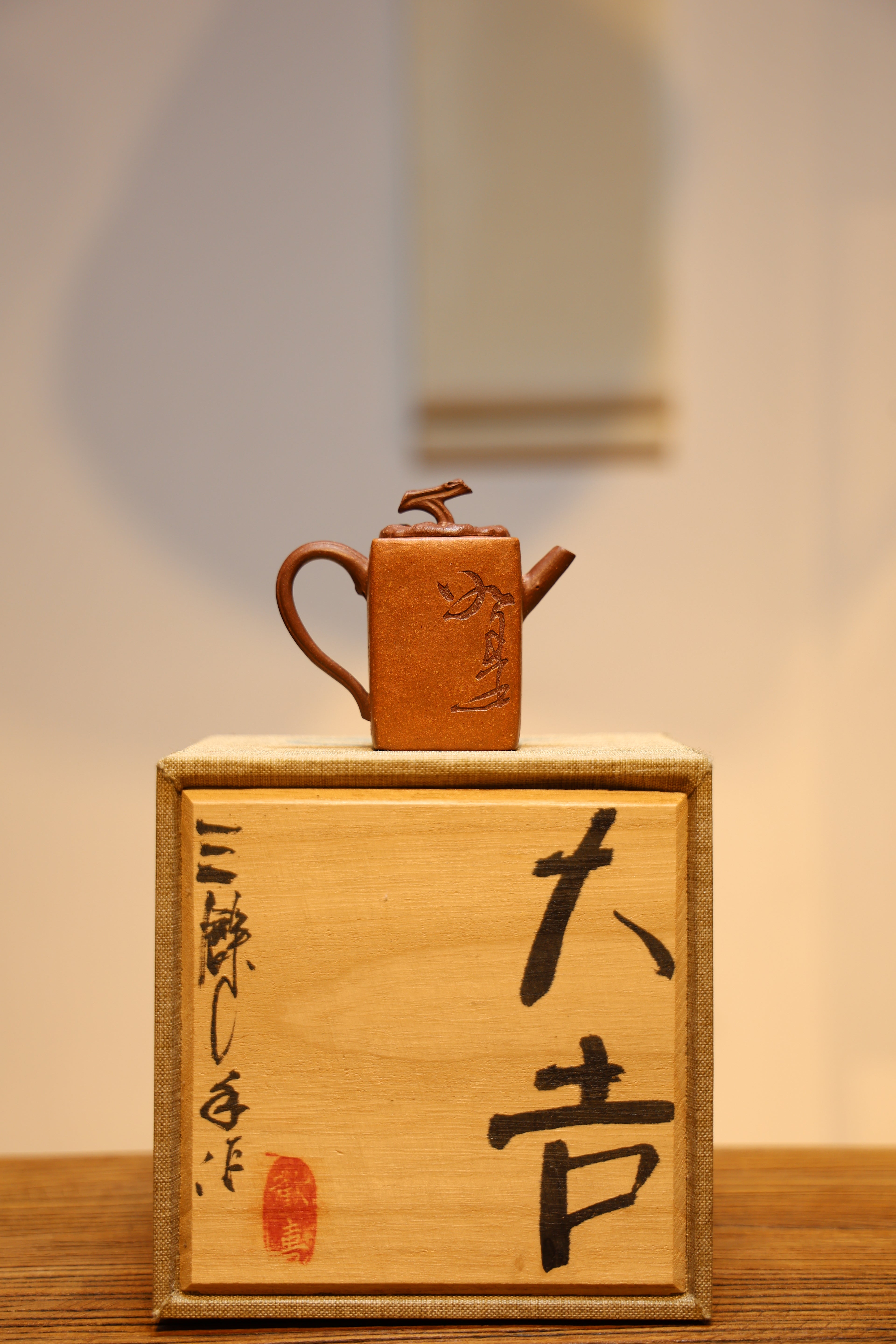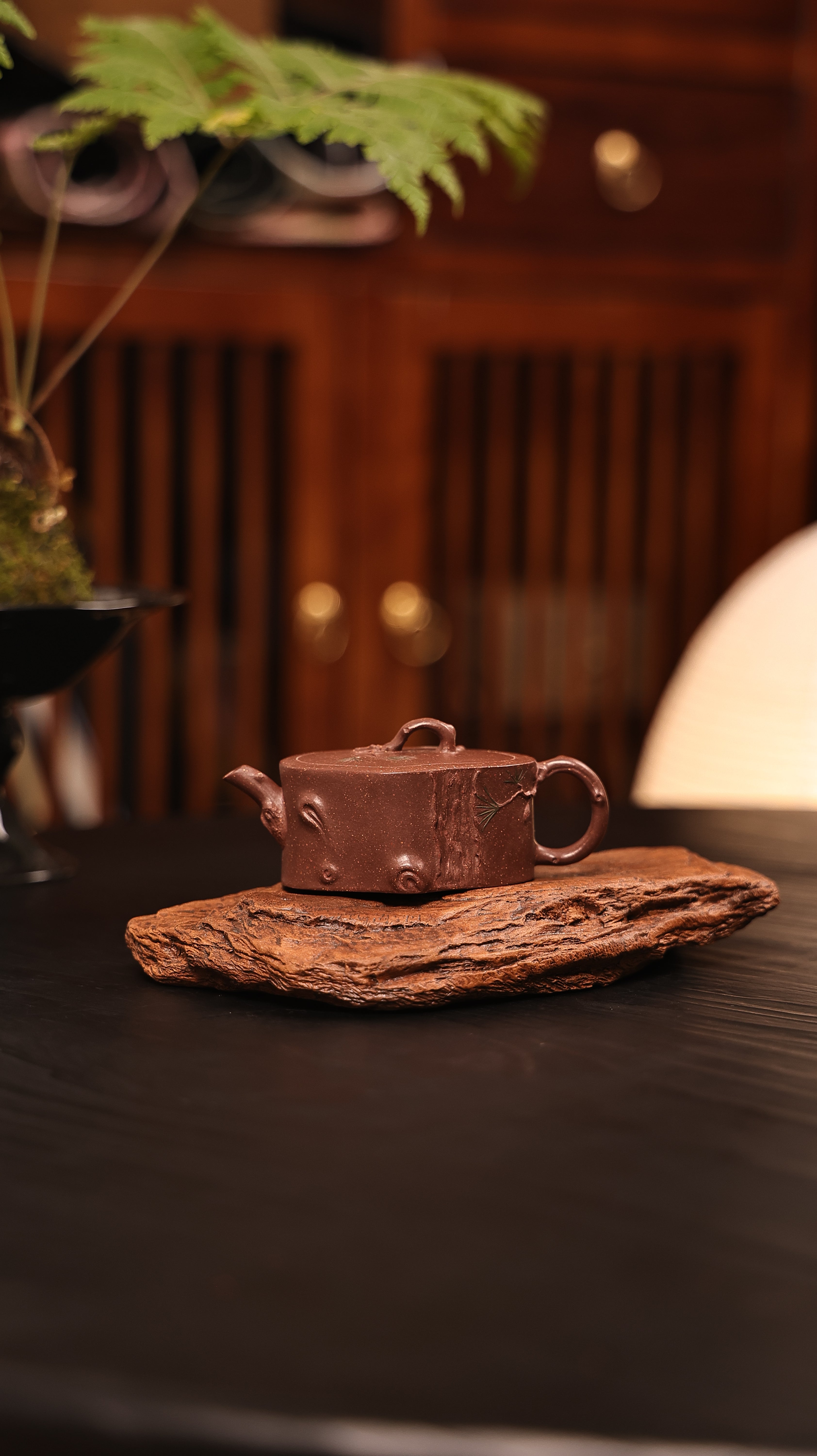
In the realm of timeless legacies,
Over ages, gatherers have been captivated by the one-of-a-kind charm of Yixing Zisha pots. Originating from the province of Yixing in the Chinese province, these objects are renowned for their preeminent beauty, extraordinary clay, and intrinsic ability to raise the bouquet of the steeping. The clay's distinctive purple-brown hue, combined with the artistic handiwork of regional makers, creates items that are and functional designs and prized holdings. Purchasing a Zisha teapot is more than just one purchase; it's accepting a rich traditional heritage.
Exploring Yixing Teapots: Origins, Varieties, and Worth
This Yixing teapots represent a rich background deeply intertwined with Chinese culture. Developing in the Yixing region of Jiangsu province, these clay vessels exhibit a heritage tracing back to the Ming Dynasty. Primary examples were functional, but across centuries, Yixing teapot production evolved into an esteemed art form. The clay itself, known for its unique texture and ability to improve the flavor of the tea, lasts a defining factor. Yixing teapots emerge in various types, broadly categorized by shape: Conventional such as Zhuni (purple clay) and Bisheng, as well as specialized designs. The importance of a Yixing teapot Zisha Teapot turns on several factors, including the potter’s prestige, the age of the piece, the rarity of the clay, and its aesthetic merit.- History: Historic epoch
- Composition: Diverse kinds
- Pricing Criteria: Artisan fame
Zisha Craftsmanship: Craft and Artisans
Such creation of a bona fide Zisha teapot is a complicated process, requiring periods of experience. Veteran artisans meticulously pick the purest Zisha clay, a exceptional earth found only in specific regions of China. Conventional techniques, often inherited through families, involve exact shaping, refined carving, and patient firing in ancient stoves. The completed teapot isn't merely a object; it's a testament to innovative vision and the profound connection between the artisan and their legacy. Each work showcases the particular touch of the specialist, resulting in a truly unparalleled work of art.
Historical Pottery: Delving into the Deep Practices of Yixing City
Celebrated Yixing, positioned in Jiangsu the jurisdiction, is universally renowned for its exceptional culinary pots – a tangible representation of centuries of Chinese culture. These aren't merely vessels for manufacturing tea; they are intricate works of skill, often reflecting ideological ideals. A unique purple clay, known as Zisha, possesses extraordinary qualities: the element dense, breathable, and imparts a subtle essence to the tea.
- Plentiful clans have honed the techniques of Yixing urn making, passing down secret methods through epochs.
- Collectors prize these pieces for their grace and rarity.
- Various teapot tells a history, connecting the tea lover to a rich foundation.
Engaging in Yixing Zisha: Essential Tips
While evaluating collecting Yixing Zisha earthen pots, several aspects call for careful inspection. In the first place, the earth's tone is vital; authentic Zisha habitually exhibits a definite brick undertone. Moreover, assess the technique; distinct characteristics and a polished covering show adept craft. Concluding, research the artist’s background; esteemed names bring increased premiums and often guarantee a stable return.
Mastering Tea Brewing Using a Zisha Pot
Preparing delicious tea with a Zisha teapot is more than a simple custom; it's an technique. Zisha clay, acclaimed for its unique physical composition, imparts a soft character to the composed tea that’s often gone with other pots. The proper water temperature is key; typically, subdued than what's used for black tea, to save the tea's perfume and palate. Consider thoroughly the tea type; delicate green teas or aged pu-erhs improve from the Zisha’s ability to ease their innate edge. It’s necessary to warm the teapot ahead of brewing, and to refrain from over-steeping. Mastering this practice leads to a authentically exceptional tea enjoyment.
- Recognizing Zisha Clay
- Temperature Control & Tea Category
- Criticality of Initial Heating
Protecting Your Yixing Ceramic Pot
With the aim of prolong the life of your cherished Yixing vessel, ongoing servicing is truly key. Abstain from using detergent; instead, tenderly flush it with warm aqueous substance. Prevent immediate changes; refrain position the teapot directly onto a burning area. Periodically, strengthen the vessel by processing it with premium specialty beverage, as this promotes to build its profile and defends the exclusive traits of the dirt.
About Element to Mug: The Transition of a Purple Kettle
The creation of a Zisha teapot is a noteworthy process, a expression to both the ecosystem’s bounty and the ability of the specialist. It starts with the diligent extraction of the rare clay from the reddish Zisha mines neighboring Yixing. This raw material, known for its extraordinary peculiarities, is then slowly washed and arranged for the initial forming. The jar’s profile is expertly constructed using a amalgamation of longstanding shaping procedures, often incorporating decorative designs. Following settling, the jar undergoes a indispensable first firing, followed by a coating stage, which might involve numerous layers of authentic Zisha paints. Finally, a second, and sometimes third, firing at high temperatures completes the artifact, revealing its perfected beauty and superlative characteristics - a honest masterpiece, ready to enhance a tea gathering.
{Yixing Teapots: A Sign of the Legacy and Valuation
Yixing teapots, originating from the famed Yixing region of Jiangsu province, are far more than mere containers for brewing infusions; they represent a significant aspect of Chinese heritage. Created from distinctive purple clay – zisha – these extraordinary teapots are highly esteemed for their ability to enrich the flavor of the tea and, crucially, for their grace. The background of Yixing teapot making spans centuries, and the skill involved is passed down through generations, making each teapot a craftwork that embodies heritage-bound techniques and a profound appreciation for the elegant pleasures in life.