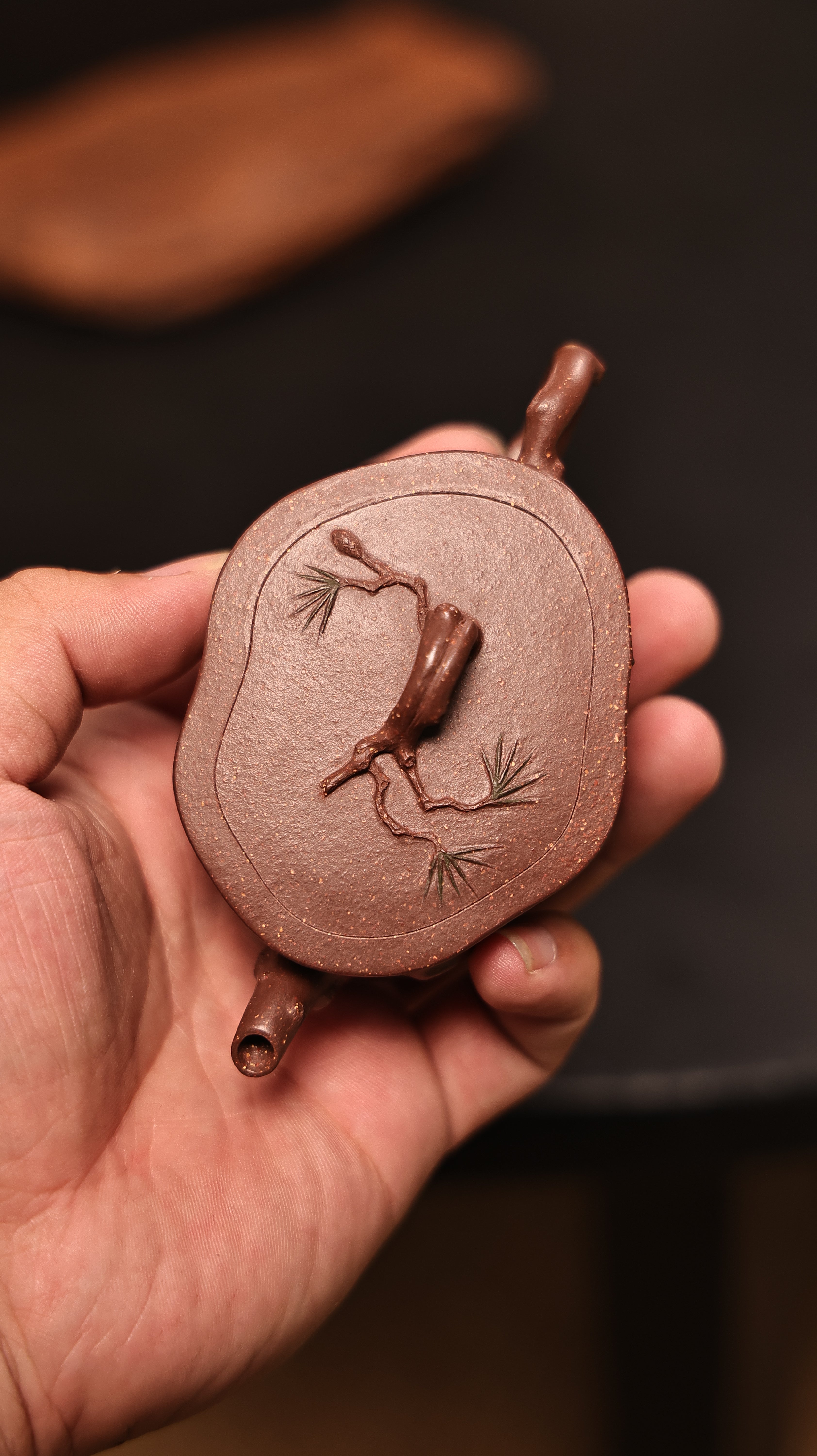
Periods in experts have long valued the unique attraction of Yixing Zisha kettles. Emerging in the cozy town of Yixing, the state, these containers are produced from a peculiar and extracted purple clay noted for its premium thermal aspects and potency to augment the essence of infusions. Beyond their valuable appeal, Zisha teapots express a extensive artistic heritage, fashioning them notably cherished and a true masterwork for any enthusiastic teapot appreciator.
Delving into Yixing Teapots
Classic teapots demonstrate a distinctive synthesis of history and expert craftsmanship. Rooted in Yixing, Jiangsu Province of China, their narrative originates in the Ming Dynasty, although traces suggest earlier manifestations. The rare maroon clay, called Zisha, found solely in the Yixing region, is the paramount component, contributing to the pots' unmatched heat maintenance and the manner they enhance the essence of tea. Generations of potters have improved techniques—often transmitted through families—including sculpting the clay, applying ornate embellishments, and firing the pots at deliberate temperatures.- Initially, Yixing teapots were often adorned with simple designs.
- Thereafter, more intricate carvings and iconographic motifs became widespread.
- The kiln firing itself is a vital element, requiring extensive periods of competence.
Assembling Zisha Teapots: Important Insights
Embarking on a venture to procure Zisha pots can be gratifying, but it’s crucial to appreciate what to search for. Authenticity is critical; focus on the clay’s natural shade, a faint reddish-brown is usual. Examine the quality; genuine Zisha has a remarkable tactile sensation, often defined as slightly rugged. The form should be harmonious and consistent with established styles, while marks, if present, require meticulous examination for truthfulness. Don’t hesitate to consult with qualified collectors or trusted resources – their awareness is priceless.
Traditional Pitchers: Researching the Heritage of this Yixing Clay
Eons have seen Yixing Rare Clay teapots hold a significant role in Chinese legacy. These beautifully crafted pots, sourced primarily from the locality of Yixing, are acclaimed for their characteristic complexion, texture, and their ability to enhance the taste of infusions. Countless collectors chase antique Yixing teapots, estimating them considerably not Zisha Teapot only for their aesthetic elegance, but also for the chronicle they portray.
Yixing Zisha Teapots: This Leading Categories and Their Qualities
Yixing Pottery teapots, established in the authentic territory of Yixing, the Chinese territory, are noted for their special clay and superb brewing qualities. Within the various Zisha types, prominent sorts that are highly coveted include Tianqing. Binzhou, known for its profound purple shade and even texture, delivers a subtle flavor. The Duan Ni type, recognizable by its orangish color and partially grainy feel, is viewed to enhance the fullness. Lastly, The Zhuni type boasts an rare burgundy tone and can deliver a delightful nuance. Each type affords a alternative experience, allowing them extremely desirable to potion enthusiasts.
Conquering One’s Yixing Jar
To access the beauty of your Yixing jar, comprehending the correct procedure is key. These clay pitchers, celebrated for their filtering ability, will slowly accept the core of the tea you steep within them. Begin by purifying the pot thoroughly with hot water. Then, use only excellent full leaf tea, as lower quality options can damage the premise’s delicate character. Always give the leaves to spread completely, and remember that with each use, your Yixing container will become increasingly esteemed.
Safeguarding Your Beloved Zisha Piece
Proper management for your Zisha container is essential to safeguarding its beauty and merit. Zisha clay, celebrated for its unique cast and texture, requires attentive handling. Never use abrasive agents, as these can undermine the coating. After every action, rinse the vessel with gentle warm water and allow it to ventilate completely.
- Decline soaking the teapot for extended intervals.
- At intervals use a soft fabric to maintain the exterior.
- Think about applying a thin layer of food-grade fat inside the jar after drying, which can reduce staining.
Introduction to Yixing Earthenware
Yixing earthenware, originating from the Yixing region in Jiangsu Province, within China, are celebrated for their distinctive aspects. Crafted from the unique purple soil known as Zisha, these earthenware are prized by concoction enthusiasts worldwide. This introduction will concisely explain the foundations – covering brands of Zisha earth, frequent shapes, and critical care pointers. Understanding the history of Yixing vessels can broaden your appreciation for this revered example of Mandarin culture.
Skill of Mandarin Containers: Showcasing Zisha deriving from Yixing City
Zisha earth from the Yixing district represents the apex of Oriental pitcher design, demonstrating a unique combination of earthy beauty and useful artistry. These exceptional pieces are esteemed for their rich color schemes, often extending between rich purples and auburn hues to light greys and gentle beiges. The unique mineral composition of the exclusive Zisha bedrock imparts a distinctive texture and furnishes a pleasant aroma that heightens the aggregate drink experience, resulting in them strongly coveted collectibles and fundamental components of any serious ceremony.