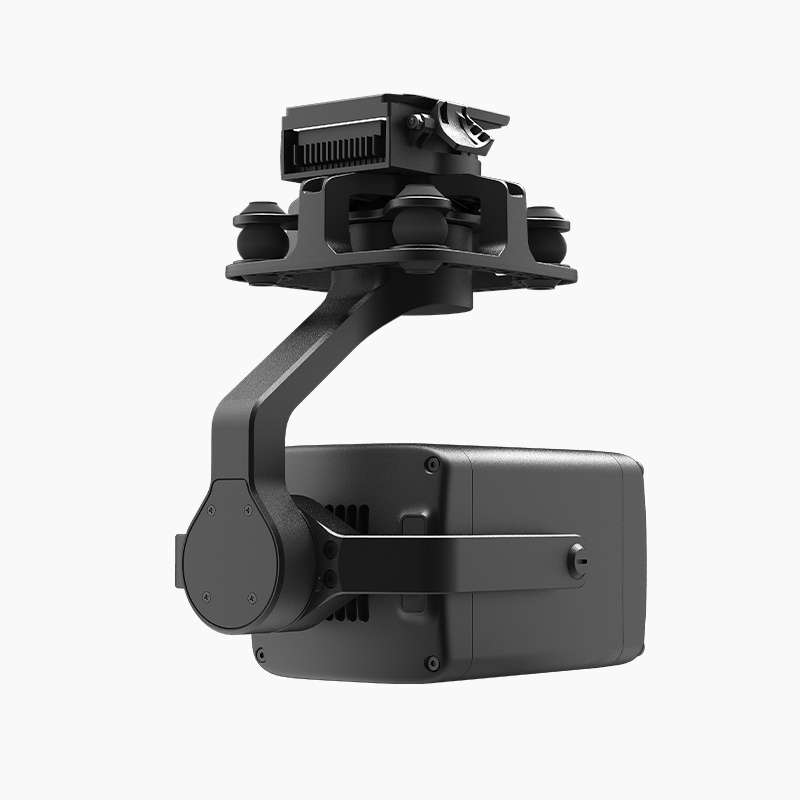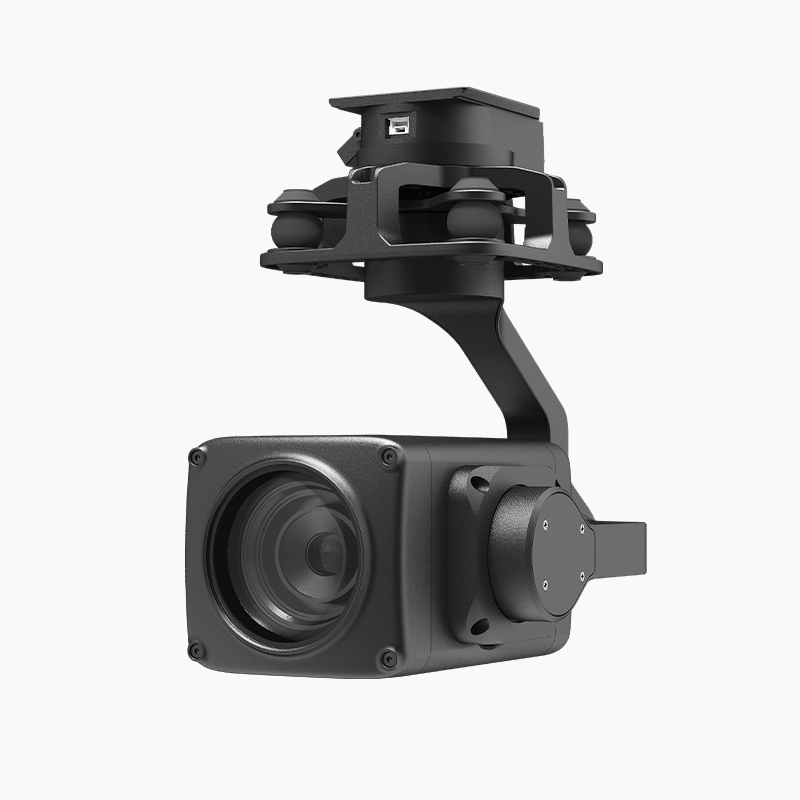
Behold regarding such extensive overview addressing steadiness techniques including thermal detection within robotic systems.
Suspension Features involving Drone Photographic Advances
Autonomous units are undergoing remarkable upgrades in camera systems. Refined gimbal apparatus now allow incredibly seamless footage, even turbulent circumstances. Furthermore, the amalgamation of thermal imaging offers unmatched opportunities for observation in fields like construction, presenting valuable facts beyond what visible light cameras can detect. These blended technologies are profoundly altering the sphere of aerial filming.
Observing into the Night: UAV Optics with Thermal Vision & Steadiness Tech
The contemporary landscape of unmanned aerial crafts is being modified by advancements in camera specifications. Specifically, the combination of night vision technology and precise gimbal mounts allows for unprecedented sharpness during nighttime tasks. These strong cameras, often utilizing infrared systems, can penetrate darkness, providing crucial intelligence for monitoring purposes. Besides, the gimbal solution smoothly minimizes oscillation, resulting in markedly solid footage even in harsh conditions. Indicators like fineness and cadence are regularly important for optimal performance.
- Enhanced Situational Awareness
- Increased Radius of Performance
- Specific Visuals Harvesting
Autonomous System Camera Survey: Suspension, Thermographic Sensing, Adjustable Focus & Dusk Observation
Selecting the ideal aerial vehicle camera necessitates a demanding selection. Contemplate the diverse kinds available: stabilized systems offer smooth, flawless footage; heat-detecting cameras outperform in obscure conditions by identifying heat signatures; close-up lenses empower you to increase distant objects; and twilight vision technologies utilize enhanced technology to secure imagery in low light. The optimal coalescence rests on the targeted use.
Our Prospective of Drone Tracking Applications: Combining Infrared-Based & Dusk Viewing
Conventionally, Unmanned cameras dedicated on standard light monitoring. Yet, modern purposes in areas such as protection & inspection entail enhanced data-gathering uav gimbal camera knowledge. Applying temperature-detecting modules alongside low-light vision capacities supplies controllers a essential upper hand, providing users to recognize targets covered from normal viewing. Those combination markedly advances reconnaissance success across a wide array of purposes.Stabilization Consistency Integrates with Thermal Vision: A Emerging Era for UAV Imaging
One new period dedicated to unmanned sensing commenced, prompted through such integration connecting cutting-edge dampening methods in conjunction with detailed temperature perception. A synergy permits pilots so as to grab clearer thermal imagery using aerial platforms, while coping with problematic environmental situations, enabling new capabilities among different markets specifically observation, reclamation in addition to precision agriculture.
Drone Camera Optical Enhancement Capabilities: Managing Span & Evening Observation
Advancements in Autonomous System technology are constantly advancing camera variable focus potential, but a crucial challenge involves optimizing coverage and evening viewing. Extending this telephoto to grab faraway objects often degrades illumination sensitivity, enabling clear night monitoring complicated. Designers are studying state-of-the-art strategies, including advanced optical systems and programming augmentations, to minimize aforementioned compromise and extend well-defined imagery at several reaches, even under poor luminance contexts.
Determining the Preferred UAV Recording System: Support, Infrared, & Long-Range Criteria
As selecting that UAV device, multiple fundamental points need to be judged. That balanced balancing device is necessary for smooth elevated imaging , largely in gusty conditions. Thermographic sensors supply useful view for purposes like inspection and aid operations. Finally, focal adjustment features provide more detailed images of objects, yet higher focal adjustment often produces minimized visual focus and necessitates augmented lighting.
{Night Vision UAV Cameras: Augmented Safeguarding with Mounting Reinforcement
Contemporary remote-controlled flyers are transforming security functions with the addition of night vision instruments. Critically, mounting system supplies exceptional stability for the camera apparatus, supporting clear recordings even in rough conditions or during piloting. This aspect considerably strengthens patrol potency and provides a vital perk for officers and multiple organizations requiring consistent nighttime observation.
Innovative Remote-Controlled Monitoring Systems: Integrating Variable Temperature & Dusk Observation
Modern airborne units are increasingly equipped with sophisticated camera setups that outperform basic filming. These cutting-edge solutions habitually adopt a integration of robust technologies, consisting of variable range capabilities for exact inspection, infrared-based imaging to discover thermal hotspots, and dark vision mechanisms to support operation in poor circumstances. This union provides staff with a major edge in multiple applications, from emergency response to facility evaluation and safety inspection.