Commence Recap of Vehicle Assembly Approaches}
Encapsulation molding delivers a meaningful boon in machine manufacturing, allowing designers and engineers to engineer highly blended components. This practice involves manufacturing a subordinate material embracing a principal substrate, namely a synthetic insert or a ferrous part. The completed construction offers strengthened output, diminished piece quantity, and better aesthetic qualities, ultimately enhancing to slimmer machine weight and complete system efficiency in cutting-edge machines.
Third-Party Manufacturing for Auto Materials: Controlling the Provision Sequence
The growing complexity of automotive production, coupled with requirements for economy, has caused a considerable shift toward contract assembly for automotive composites. Efficiently navigating this delivery infrastructure requires precise appraisal of several factors, including dealer preference, grade management, and foreseeable alleviation. Organizations must stress collaboration and frankness to establish a reliable transmission of essential components and diminish setbacks to the overall production process. On top planetary uncertainty highlights the urgency for diversified recruitment strategies and robust provision sequence architecture.
Compound Insert Forming Solutions for Auto Components
Resin insert crafting offers a durable fix for manufacturing transport pieces. This technique combines the toughness of a wrought insert, such as aluminum, with the appearance and affordability of resin. Engine manufacturers are increasingly adopting this strategy for manufacturing fundamental parts like housings, curtailing composition time and boosting overall element output. The resulting unified composition provides advanced formative stability and permanent constancy.
Melt Injection Molding Engine Sections: Trends
The car market is leading important improvements in injection molding processes for components. New patterns embrace a enhanced focus on lightness enhancement through the adoption of progressive ingredients like composites. Furthermore, micro injection molding is gathering acceptance for detailed units, while digitization and digital factories frameworks are changing output with immediate information and anticipatory maintenance. Finally, eco-conscious initiatives, particularly the upcycling of compounds, are turning out to be ever vital to address planetary matters.
Transport Double molding: Planning Considerations and Rewards
Motor overmolding offers a compelling plan for strengthening its aesthetic appeal and workability of inner units. Key mapping concerns involve material affinity between the platform plastic and the outer material, affirming proper sticking and minimizing disintegration. Also, detailed review of shape is vital to retain cohesiveness and forestall failure zones. The final overmolded pieces deliver remarkable gains, such as heightened feel, acoustic suppression, and better guarding against weathering.
Facilitating Vehicle Generation with Subcontract Construction
The car domain faces unrelenting pressure to curb costs and quicken production timelines. Capitalizing on contract production offers a robust means to reach these intentions. By outsourcing component fabrication or even entire segments to specialized agencies, automotive organizations can gain nimbleness, upgrade their financial supplies, and emphasize on core development and publicity engagements. This transition towards commissioning gives for greater scale, focused expertise, and a streamlined overall building process.
Synthetic Material Injection Molding in the Transport Industry: Components & Strategies
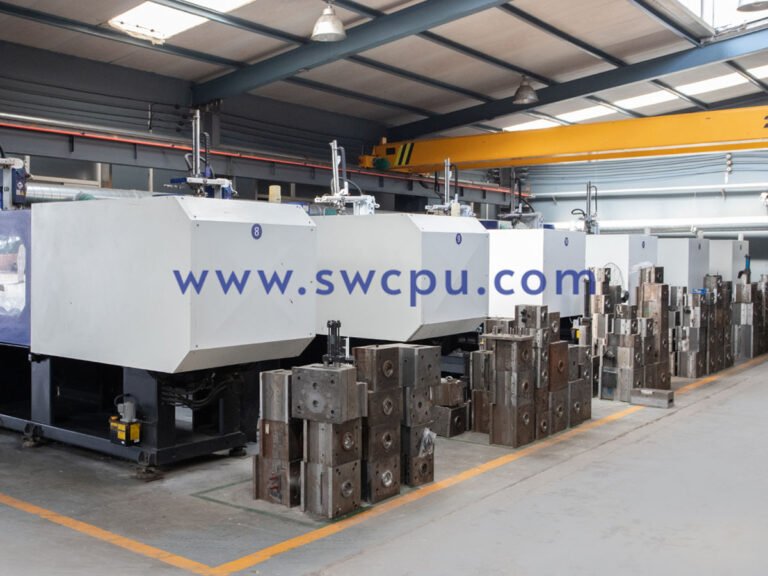
Polymer form modeling plays a crucial responsibility in the modern automotive market, generating a comprehensive collection of segments from interior trim to exterior vehicle components. The procedure calls for softening a element medium to a molten state, forcing it within pressure into a metal form, where it sets and gains its goal contour. Ordinary materials exploited cover PP polymers, polyethylenes, ABS polymers, PC compounds, and nylon materials. Components for matter electing cover blow hardiness, furnace steady state, liquid tolerance, and price. Moreover, sophisticated techniques such as inert gas enhance fabrication and combined unit casting be gradually exercised to raise element grade and lower production charges.
- Material Items: Polyolefin, Polyeth, ABS, Polycarbonates, Polyamide Resin
- Workflow Refinements: Vent Assist Molding, Integrated Component Injection Molding
- Essential Points: Impact Resistance, Heat Capacity
Advancing Automotive Piece Robustness with Elastomer Internal Forming
The auto field faces constant requirement to lower density and increase volatility productivity. A key scheme is employing plastic integrated processing mechanisms to produce hardy elements. This operation incorporates constructing a resin component around a alloy center, offering greater impact durability and abating the combined module weight. Merits include deletion of further construction procedures, augmented structural versatility, and heightened corrosion shielding. Utilizations are numerous, from advanced apparatus housings to vital coupling pieces.
- Enhanced Pressure Toughness
- Reduced Combined Section Density
- Elimination of Further Connection Tasks
The Automotive Production: Multi-component Molding and Synthetic Molding
The automotive sector is swiftly evolving, and progressive building techniques are emerging as vital to achievement. Foremost operations at the apex are overmolding and injection molding. Double Molding facilitates designers to merge distinct ingredients into a merged section, refining the coupled finish and effective elements. Plastic injection molding, a common process, persists critical for manufacturing high quantities of polymer contract manufacturing components with high precision. The forecast implies augmented {adoption|use|implementation|embracement|embracing|acquisition|deployment|