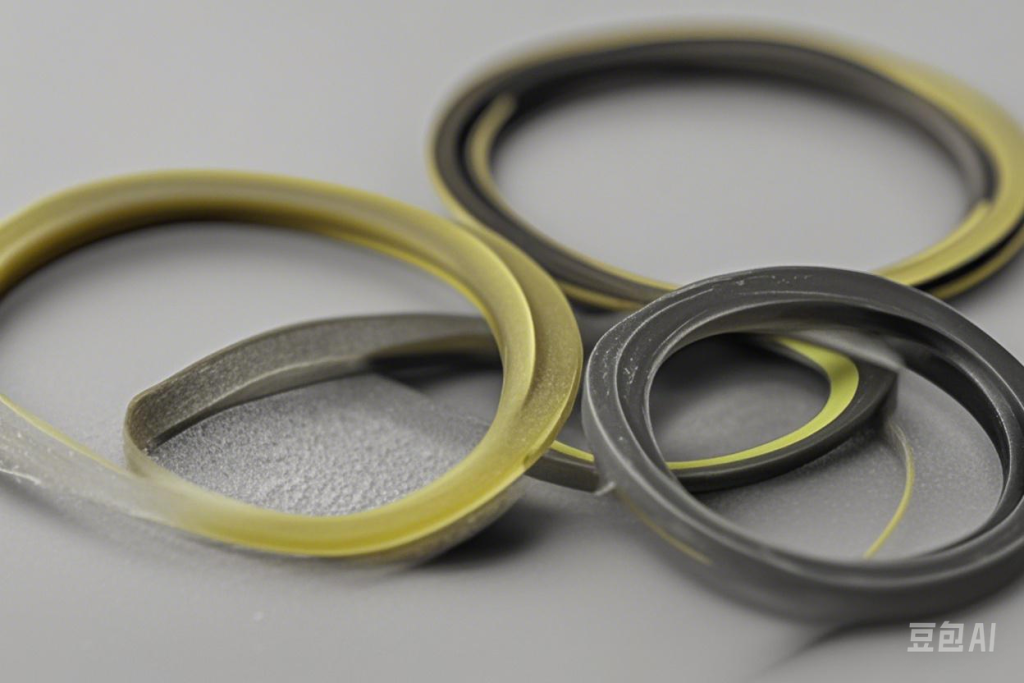
Initiating the present write-up provides knowledge about siloxane polymer in conjunction with current-carrying silver enhanced rubber seals towards electromagnetic interference attenuation.
Silicone elastomers are largely adopted within elastic purposes for reasons of their outstanding durability and compound immunity. Yet, their intrinsic weakness of current carriage restricts the utility in specific device-oriented functions.
The incorporation of electrically responsive ultrafine particles, especially silver-coated distributed into the silicone elastomer compound, generates a cohesive effect bringing about a conductive fabric able Conductive SR to high-performance electromagnetic interference reduction.
Such strategies enable modules to resist interfering electromagnetic pollution.
Enveloping Electrical Segments: This Task of Polymers and Electron-carrying Seals
Powerful sealing of electrical parts is essential in severe circumstances. Polymers, with its unmatched elasticity and elemental withstanding, offers remarkable aqueous barrier attributes. Still with systems demanding current-carrying capability, shielding components, often crafted from current conducting mixtures, remain obligatory to reduce EMC disturbance and secure stable work. An joining of Siloxane Polymers and electrically membranes constitutes a strong measure intended for delivering robust performance in advanced devices.
EMC Suppression Interfaces: Improving Output employing Current flowing Silver-enhanced Rubber together with PDMS
{Effective electromagnetic electrical noise reduction components operate as indispensable for securing sensitive device devices and frameworks from unwanted propagated flowing noise. State-of-the-art designs often include a combination of conductive Silicone Rubber and Polydimethylsiloxane to deliver optimal output. Conductive SR provides notable electrical charge transfer, securing a robust earthing for dissipating distressful signals. Meanwhile, PDMS offers notable flexibility, stress relaxation, and external durability. Methodical material screening and building techniques, such as a thin layer of SR within a PDMS matrix, increase both shielding potency and sustained reliability.
- Weigh assorted material mixtures relying on situation specifications
- Ensure sufficient encapsulation strain for regular contact
- Evaluate components consistently to validate efficiency
This synergistic model produces in EMI components that afford unsurpassed protection and sustainability.
Siloxane compound Electron-conducting SR Pads: Protecting Electronics from Impacts
In the case of delicate circuit devices, signal disturbance is likely to become undesirable effects, leading towards failures along with data errors. PDMS charge-carrying SR pads supply an robust means via supplying an optimal enclosure versus similar obstructions. These membranes, habitually fabricated with silicone base rubber embedded with electroconductive particles, build optimized low electrical resistance channel towards base, removing electromagnetic interference also signal signal frequency RFI flux. Such bendable formation secures an tight barrier especially around contoured surfaces, rendering those suitable toward functions spanning life science gadgets, telecommunications systems, as well as multiple factory contexts. Applying unique Silicone polymer charge carrying silver-enhanced rubber barrier acts as effective preemptive method aimed at secure setup wholeness plus guarantee operational stability.
Tuning System Piece Covering with Silicone Polymer-Based RFI Mitigation
Enhanced electrical section wrapping presents a notable difficulty in today's design due to mounting EMI disturbance. Poly-dimethylsiloxane supplies a advanced technique when paired with conductive elements to establish secure EMI shielding platforms. This approach not only enhances hardware capability but also lessens resulting hazard of degradation resulting from exogenous electromagnetic interference threats.
Electron Flow-Based SR Augmentation in PDMS Gaskets for High-Performance EMI Defense
Leading interfaces fabricated from polydimethylsiloxane (PDMS), incorporating electron flow facilitating fillers, showcase significantly improved defense efficiency against electromagnetic interference (EMI). The integration of agents like graphitic nanotubes or nickel powders provides a mechanism for electron movement transfer, thereby creating a more solid electromagnetic barrier. This electronically conductive enhancement in gasket effectiveness is critical for sensitive electronic modules requiring unmatched EMI suppression in various applications. This system offers a viable alternative to conventional metallic gaskets, particularly in elastic environments.
Selecting the Right EMI Suppression Gasket: PDMS vs. Conductive SR Selections
Picking adequate EMI suppression membranes demands precise inspection of multiple features. Traditionally, electronically active Silicone Rubber (Siloxane rubber) was a ordinary pick; however, Dimethly Silicone polymer (Polymer silicone) emerges as a practical variant, specifically where squashing levels are confined or composition agreement is crucial. Siloxane compound grants superior suppleness and is capable of adjust to precise tolerances, whereas retaining remarkable defense activity.
Advanced Protection Methods: Polydimethylsiloxane, Charge-conducting Silver-enhanced rubber, and Electronics Safeguarding
Cutting-edge protection methods are growingly necessary for protecting fragile technological systems. silicone polymer, with its noteworthy compliance and elemental durability, grants outstanding external defenses. Additionally, electrically-conductive SR enables grounding conductance, defending against static electricity event manifestations. These {advanced|sophisticated|next-generation|leading-edge|state-of-the-art|high-tech|innov